
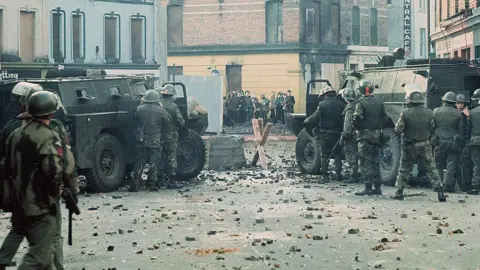
January 30th, 1972 stands as among the most deadly – and significant – dates in multiple decades of violence in the region.
Throughout the area of the incident – the legacy of Bloody Sunday are visible on the structures and seared in people's minds.
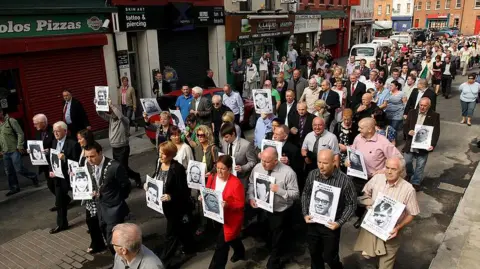
A civil rights march was organized on a wintry, sunny day in Londonderry.
The protest was a protest against the practice of imprisonment without charges – holding suspects without legal proceedings – which had been put in place after three years of conflict.
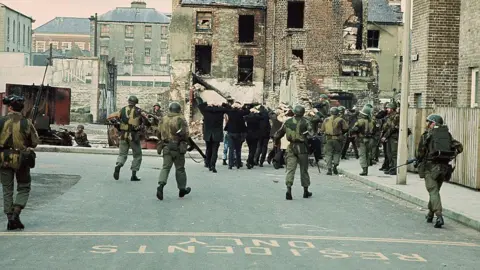
Military personnel from the elite army unit fatally wounded 13 people in the district – which was, and remains, a predominantly republican area.
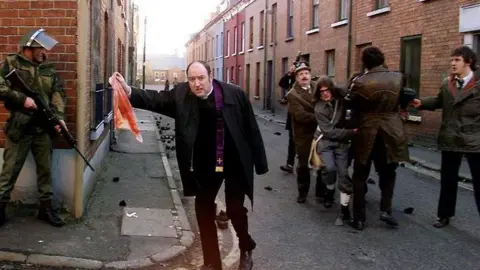
A particular photograph became notably iconic.
Pictures showed a clergyman, Fr Edward Daly, using a blood-stained cloth while attempting to shield a group transporting a youth, Jackie Duddy, who had been killed.
News camera operators documented extensive video on the day.
Documented accounts includes the priest telling a journalist that soldiers "just seemed to fire in all directions" and he was "absolutely certain" that there was no provocation for the shooting.
This account of the incident was rejected by the first inquiry.
The Widgery Tribunal concluded the soldiers had been shot at first.
Throughout the peace process, the administration set up another inquiry, following pressure by bereaved relatives, who said Widgery had been a cover-up.
During 2010, the conclusion by the investigation said that on balance, the paratroopers had initiated shooting and that zero among the individuals had presented danger.
At that time head of state, the Prime Minister, issued an apology in the Parliament – saying killings were "without justification and inexcusable."
Authorities began to investigate the matter.
One former paratrooper, identified as the defendant, was charged for killing.
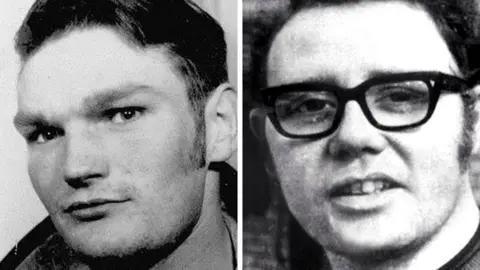
Accusations were made concerning the fatalities of James Wray, 22, and in his mid-twenties William McKinney.
The accused was further implicated of attempting to murder Patrick O'Donnell, other civilians, Joe Mahon, another person, and an unknown person.
There is a legal order preserving the veteran's identity protection, which his lawyers have maintained is necessary because he is at danger.
He told the examination that he had solely shot at persons who were possessing firearms.
That claim was dismissed in the concluding document.
Information from the examination would not be used immediately as testimony in the legal proceedings.
During the trial, the veteran was shielded from sight behind a blue curtain.
He spoke for the first time in the proceedings at a session in that month, to respond "innocent" when the allegations were presented.
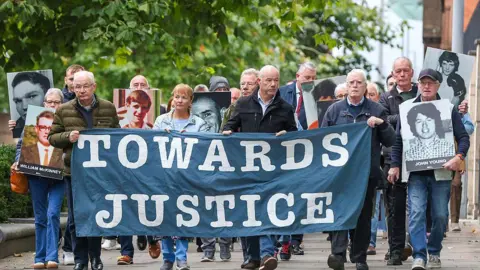
Relatives of the victims on that day made the trip from Derry to the courthouse each day of the trial.
One relative, whose relative was fatally wounded, said they were aware that attending the trial would be painful.
"I remember all details in my recollection," John said, as we walked around the primary sites referenced in the case – from Rossville Street, where Michael was fatally wounded, to the nearby the area, where the individual and William McKinney were died.
"It returns me to my location that day.
"I helped to carry Michael and put him in the medical transport.
"I went through the entire event during the proceedings.
"But even with enduring everything – it's still worthwhile for me."