

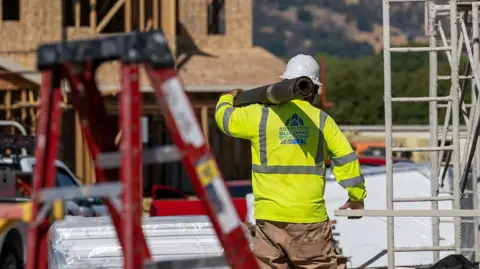
A series of new United States tariffs targeting foreign-sourced cabinet units, vanities, lumber, and certain upholstered furniture have come into force.
Under a presidential directive authorized by Chief Executive Donald Trump last month, a 10% tariff on soft timber imports was activated this Tuesday.
Import Duty Percentages and Upcoming Changes
A twenty-five percent tariff will also apply on imported kitchen cabinets and bathroom vanities – increasing to fifty percent on 1 January – while a 25% tariff on upholstered wooden furniture is scheduled to grow to 30%, unless new trade agreements get agreed upon.
The President has cited the necessity to protect American producers and national security concerns for the move, but some in the industry are concerned the taxes could raise residential prices and lead consumers delay house remodeling.
Understanding Tariffs
Import taxes are taxes on imported goods usually applied as a percentage of a good's cost and are submitted to the federal administration by businesses shipping in the goods.
These companies may transfer a portion or the entirety of the additional expense on to their customers, which in this case means typical American consumers and additional American firms.
Past Tariff Policies
The chief executive's duty approaches have been a prominent aspect of his second term in the executive office.
Trump has previously imposed industry-focused tariffs on metal, copper, aluminium, automobiles, and vehicle components.
Consequences for Northern Neighbor
The supplementary global ten percent levies on softwood lumber implies the material from the northern neighbor – the second largest producer internationally and a significant domestic source – is now tariffed at over forty-five percent.
There is already a combined thirty-five point sixteen percent US countervailing and anti-dumping tariffs placed on most Canada-based manufacturers as part of a long-running disagreement over the item between the two countries.
Bilateral Pacts and Limitations
In accordance with current bilateral pacts with the America, tariffs on timber goods from the Britain will not go beyond 10%, while those from the European community and Japanese nation will not surpass fifteen percent.
Administration Explanation
The presidential administration says Donald Trump's tariffs have been enacted "to guard against dangers" to the US's domestic security and to "strengthen factory output".
Sector Worries
But the Residential Construction Group commented in a statement in late September that the new levies could raise homebuilding expenses.
"These recent levies will generate extra headwinds for an already challenged homebuilding industry by even more elevating development and upgrade charges," said leader the group's leader.
Seller Viewpoint
Based on Telsey Advisory Group managing director and market analyst the analyst, retailers will have no choice but to increase costs on foreign products.
During an interview with a news outlet recently, she stated sellers would attempt not to hike rates excessively prior to the year-end shopping, but "they are unable to accommodate 30% tariffs on top of existing duties that are already in place".
"They'll have to shift costs, likely in the shape of a two-figure rate rise," she added.
Furniture Giant Reaction
Last month Swedish retail major the company said the tariffs on overseas home goods cause conducting commerce "harder".
"The tariffs are influencing our business similarly to fellow businesses, and we are carefully watching the evolving situation," the company remarked.


